
Get a FREE digital
copy of Renovate Handbook!
Just sign up to our newsletter and we'll send it your way.
Get Renovate Handbook
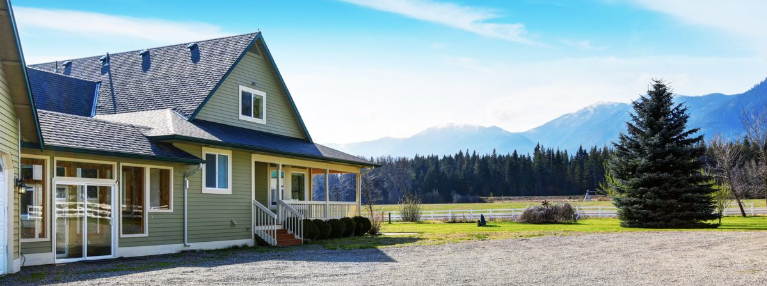
Do you own a rural property or lifestyle block and want to make better use of your outdoor space, with landscaping that is practical, easy to maintain and suited to New Zealand's rural environment? If so, thoughtful landscape design can make a big difference.
Rural properties offer plenty of space and natural beauty, but they also need careful planning, because good design is about more than appearance. It should make the land easier to use and maintain, suit the local climate, work with the natural shape of the site and support the way you use the property every day. Here are six practical landscape design ideas for rural properties in New Zealand.
1. Create a plan for the whole property
Before starting any landscaping work, look at the entire property rather than focusing on one small area. Think about where you want outdoor living spaces, driveways and paths, gardens, paddocks, sheds and utility areas, vegetable gardens, orchards and future planting to sit, because a full plan helps every part of the property work together. It also stops you placing trees, buildings or pathways where they may cause problems later. You do not need to complete everything at once, since a clear plan lets you improve the landscape in stages while still working towards one final design.
2. Create protection from strong winds
Many rural properties in New Zealand are open and exposed, and strong wind can damage plants, dry out the soil, make outdoor areas uncomfortable and affect animals or crops. Shelter belts and groups of trees can reduce these problems, so when planning wind protection, consider the direction of the prevailing strong winds, the distance between trees and buildings, the final height and width of the trees, whether the species suit your local climate and whether they might block sunlight or views. The right shelter planting protects gardens, improves outdoor comfort and creates a calmer area around the home.
3. Use native plants where possible
Native plants are often a practical choice for rural gardens because they are already suited to local weather and growing conditions. Depending on the species and location, they may need less water, cope more easily with local weather, require less maintenance, attract native birds, support local wildlife and blend naturally with the surrounding land. They work well around driveways, near the house, along boundaries, beside waterways and in larger natural planting areas, but choose carefully, as not every native plant suits every part of the country or every soil type.
4. Divide the property into useful areas
A large property can feel empty or hard to use if it is left as one open space, so dividing it into zones makes the landscape far more practical. You might create a formal garden near the house, an outdoor entertaining area, a lawn for children, a vegetable garden, an orchard, a quiet seating area, open paddocks and a natural bush area. Giving each zone a clear purpose makes the property easier to use and more manageable to maintain.
5. Design a practical entrance and driveway
The driveway and entrance matter on a rural property because they affect both access and first impressions. A good design considers vehicle access, turning space, drainage, visibility, parking and access for large vehicles or service providers, and simple features such as feature trees, low-maintenance planting, gates, fencing, gravel edging and clear lighting can improve its appearance while keeping it practical and easy to maintain.
6. Plan for water and drainage
Water management is one of the most important parts of rural landscaping, because some areas become muddy or waterlogged after heavy rain while others dry out quickly. Before building paths, patios, garden beds or retaining walls, check where water naturally flows, which areas stay wet, whether the soil drains well, whether slopes are causing erosion and where downpipes release water. Good drainage protects gardens, driveways, buildings and outdoor living areas, and in some cases swales, drainage channels, rain gardens or extra planting can help manage water more effectively.
A well-designed rural landscape is about more than filling a large space with plants, and with the right planning you can create an outdoor environment that is practical, easy to maintain and enjoyable for years to come.
Frequently Asked Questions
Where should I start with landscaping a lifestyle block? Start with a plan for the whole property, showing where living areas, driveways, gardens, paddocks, sheds and future planting will go, then complete the work in stages.
How do I protect a rural garden from wind? Shelter belts and groups of trees reduce wind. Plan around the direction of the prevailing strong winds, the trees' final size, their distance from buildings and whether they will block sun or views.
Are native plants a good choice for rural properties? Often, yes. Many natives suit local conditions, need less maintenance and attract native birds, but not every species suits every region or soil type, so choose carefully.
How do I deal with muddy or waterlogged areas? Work out where water naturally flows and which areas stay wet before building anything. Swales, drainage channels, rain gardens and extra planting can help manage water.
What makes a good rural driveway? It allows for vehicle access, turning space, parking, drainage, visibility and access for large vehicles or service providers, while staying easy to maintain.
Create a rural landscape that works for you
At Zones Landscaping NZ, we help homeowners across New Zealand turn rural properties and lifestyle blocks into outdoor spaces that are both beautiful and functional. Whether you are planning a complete landscape design, outdoor living areas, gardens and planting, driveways, retaining walls, pathways or a full property transformation, our experienced team can help bring your vision to life, so get in touch with Zones to talk about your plans.
Related Articles and Projects
Read Next


All Zones Landscaping franchises are independently owned and operated.
Processing...

Are you ready to discuss your ideas?
Please fill out your details in the online form provided and we’ll get back to you within 48 hours to arrange a free, no obligation consultation.