
Get a FREE digital
copy of Renovate Handbook!
Just sign up to our newsletter and we'll send it your way.
Get Renovate Handbook
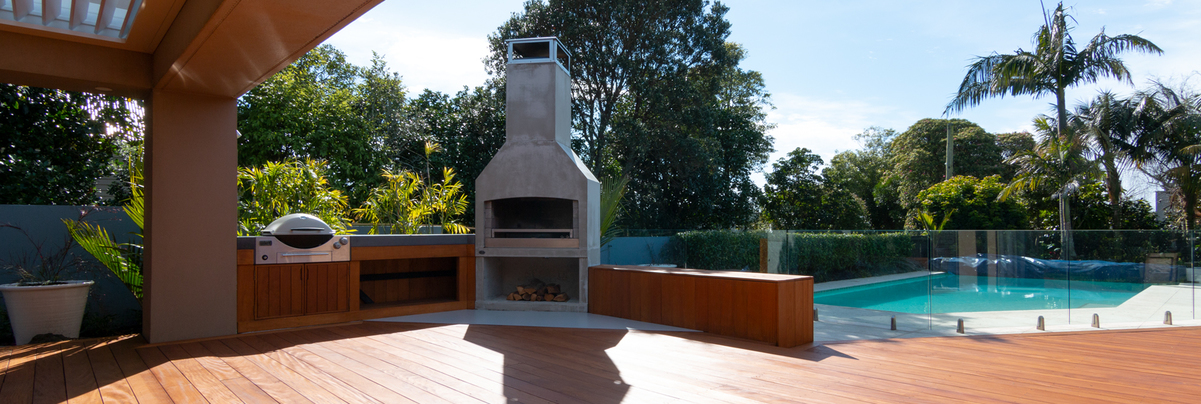
Choosing the right hardscaping materials is a big part of creating a garden that looks good and lasts in New Zealand conditions. Paving, decking, and retaining walls have to handle our mix of rain, frost, strong UV, wind, and sometimes salty coastal air, all while staying safe underfoot and easy to live with. When you match your materials to your local climate, soil, and how you use your outdoor space, your paths stay stable, your decks stay solid, and your walls stay upright for years.
Let’s go through the details to choose paving, decking, and retaining wall materials that work well in NZ gardens.
How to Choose Hardscaping Materials That Suit NZ Gardens?
In New Zealand, the best paving, decking, and retaining materials are those that can withstand your local weather, soil, and day-to-day use, and still look good years later.
- Start with your site: climate, frost, and soil
Before you choose any material, think about what your garden has to deal with:
- Climate: Is your area wet and cool, dry and sunny, or coastal and windy?
- Frost: Do you get winter frosts that could affect concrete, tiles, or stone?
- Soil: Is the ground heavy clay, sandy, or free-draining? Does it get boggy after rain?
- Slope: Are you on a flat section or a steep site needing retaining and careful drainage?
These details help you choose materials that won’t crack, shift, or rot too quickly.
- Paving: think grip, drainage, and durability
Concrete pavers
- Good for: Paths, patios, driveways in most NZ suburbs.
- Pros: Affordable, many sizes and colours, easy to replace individual pavers.
- Watch for: Choose textured or slip-resistant finishes, especially in wet or frosty areas. Dark colours can get hot in the strong sun.
Natural stone (schist, bluestone, granite, etc.)
- Good for: High-end or natural-look spaces, feature areas, and steps.
- Pros: Strong, long-lasting, and often looks better as it ages.
- Watch for: Some stones may be more porous and require sealing. Make sure they’re suitable for outdoor and (if needed) frost conditions.
Porcelain / outdoor tiles
- Good for: Clean, modern patios and pool areas.
- Pros: Very dense, often stain-resistant, and slip-rated for outdoor use.
- Watch for: Must be installed correctly on a proper base. Indoor tiles are not suitable for outdoor use in NZ weather.
In NZ conditions, always consider slip resistance, especially in damp, shaded, or frosty areas.
- Decking: match materials to moisture, sun, and maintenance
Timber decking (pine, kwila, vitex, etc.)
- Pros: Warm, natural look that suits many NZ homes and gardens.
- Watch for: Needs regular oiling or staining to stay in good shape. Can become slippery if not cleaned, especially in shady or damp areas.
Composite decking
- Pros: Low maintenance, doesn’t rot, resistant to insects, and no regular staining required.
- Watch for: Some brands can get quite hot in strong sun; lighter colours usually stay cooler. Quality varies, so it’s worth choosing a reputable product.
Key NZ considerations:
- In wet or shady spots, think about slip resistance and cleaning.
- In very sunny areas, consider the heat under bare feet.
- Near the coast, choose fixings (screws, nails, brackets) that handle salt air, such as stainless steel.
- Retaining walls: choose for strength, soil type, and drainage
Timber retaining walls
- Pros: Natural look, suits many gardens, good for low to medium-height walls.
- Watch for: Needs proper treatment and drainage to avoid rot. May have a shorter life than concrete or block in very wet conditions.
Concrete block or masonry retaining
- Pros: Strong, good for higher walls and terracing on steep sections. Many systems are designed specifically for retaining.
- Watch for: Must have good drainage behind the wall (ag pipe and drainage metal) to handle NZ rain and avoid pressure build-up.
Stone or rock walls
- Pros: Natural look, blends well with planting, good in rustic or rural settings.
- Watch for: Requires skilled installation and attention to drainage to keep walls stable over time.
In all cases, drainage is critical in NZ. Without it, retaining walls are more likely to move, crack, or fail.
- Think about safety in wet, icy, and shaded areas
New Zealand’s mix of rain and frost can make outdoor surfaces slippery. To keep your hardscaping safe:
- Use non-slip finishes on paths, steps, and around pools.
- Avoid very smooth tiles or polished stone where water sits.
- Design paths with gentle slopes so water drains away rather than pooling.
It is essential in south-facing or shaded areas that stay damp longer.
Build long-lasting outdoor spaces with Zones NZ
At Zones Landscaping NZ, we design and build hardscapes that work in real NZ conditions, not just on paper. We look at your site, your lifestyle, and your budget, then recommend paving, decking, and retaining solutions that are practical, durable, and attractive.
Our team can manage the whole process. So, if you’re planning to upgrade your garden with new hardscaping, get in touch with Zones NZ. We’ll help you choose the right materials and create an outdoor area that feels good, looks sharp, and lasts.
Read Next


All Zones Landscaping franchises are independently owned and operated.
Processing...

Are you ready to discuss your ideas?
Please fill out your details in the online form provided and we’ll get back to you within 48 hours to arrange a free, no obligation consultation.