
Get a FREE digital
copy of Renovate Handbook!
Just sign up to our newsletter and we'll send it your way.
Get Renovate Handbook
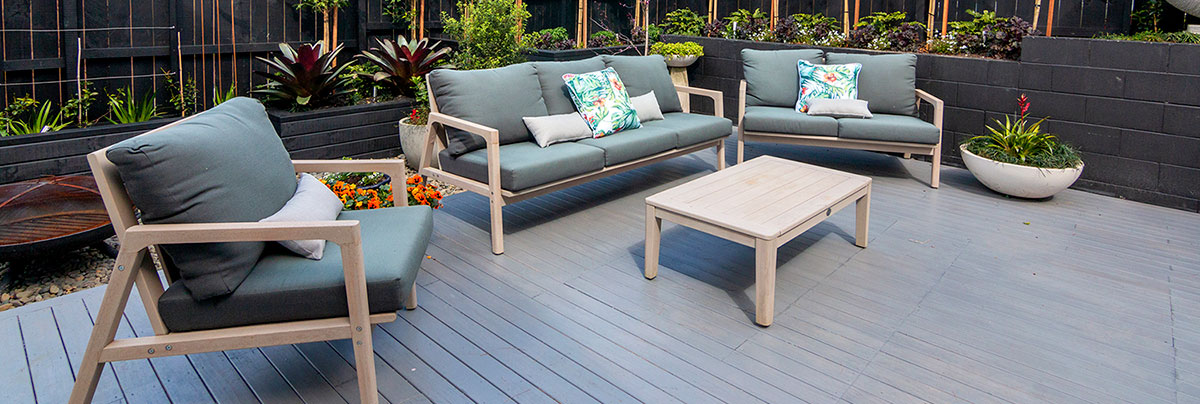
Do you have a sloping section and want to create a flat, usable space in your garden? And would you say yes to building a retaining wall that looks great and meets New Zealand rules, so you don’t run into problems later? Retaining walls can transform NZ outdoor spaces. They help hold soil in place, prevent erosion, improve drainage, and create level areas for lawns, paths, decks, and planting. But because retaining walls affect safety and stability, there are design and compliance rules to follow, especially for taller walls or walls near boundaries.
Let’s explain the key design, function, and landscape compliance points for retaining walls in NZ, so you understand what to consider before building one on your property.
Retaining walls in NZ: simple design + rules to know
Retaining walls are common in New Zealand because many sections slope. They can make your yard safer and more usable, but they also need to be built properly and, in some cases, approved.
- Design points that make a retaining wall last
Drainage is the biggest deal.
Most retaining walls fail because water builds up behind the wall and pushes it over. A good wall usually needs drainage metal (gravel) behind it, plus a drain coil (and sometimes weep holes) so water can escape rather than build pressure.
Height changes everything.
The taller the wall, the more pressure it has to hold back. Taller walls usually need stronger materials, deeper footings, and often engineering design.
Sometimes two small walls are better than one tall wall.
Terracing (stepping the slope using two or more shorter walls) can look nicer and reduce risk—as long as they’re spaced correctly, so the top wall doesn’t overload the lower wall (extra load is called “surcharge”).
- The main building consent rule most homeowners need
In general, you usually don’t need a building consent if the retaining wall:
- retains 1.5m or less of ground and
- is not supporting extra load (no “surcharge”).
You usually do need a building consent if:
- the wall is over 1.5m, or
- it supports extra load (surcharge).
What counts as “extra load / surcharge”?
Anything heavy or significant close to the top of the wall, like:
- a driveway or parking area (cars)
- a building or structure
- sometimes a steep slope close behind the wall.
So even a wall that is only 1.2m high might still need consent if a driveway sits right above it.
- Rural zone rule (special case)
If your property is in a rural zone, there are exemptions that allow retaining walls up to 3m to be built without building consent, but these have strict conditions and usually require a Chartered Professional Engineer (CPEng) design.
- You might need resource consent too
Even if you don’t need building consent, your council may still require resource consent depending on things like:
- how close the wall/earthworks are to the boundary
- how much cut and fill you’re doing
- whether the wall could affect drainage or neighbours.
Simple rule: if it’s near boundaries, involves big earthworks, or could change water flow, check council rules early.
- Boundaries and neighbours
If the wall is close to a boundary, you need to be careful about:
- keeping the wall and footings on your side (unless it’s a shared structure)
- not sending water onto your neighbour’s land
- following any local council boundary rules.
- Fence on top can change things
A fence adds extra height and wind load. Even if the wall itself is under 1.5m, a fence on top can increase risk and may trigger extra council/engineering requirements depending on your area.
- Quick checklist before you build
- How high is the wall (retained height)?
- Is there a driveway/building/slope load above it (surcharge)?
- Where will water go (drainage plan)?
- How close is it to a boundary or other structures?
- Do you need building consent, resource consent, or both?
Build it once, build it right with Zones NZ
Retaining walls can completely transform a sloping section, but they need to be done properly. When drainage is planned well, the height and load are considered, and you check the right consents early, you end up with a wall that is safe, long-lasting, and looks great in your garden. Skipping these steps can lead to leaning walls, water problems, neighbour issues, and expensive fixes later.
At Zones Landscaping NZ, we design and build retaining walls with both function and compliance in mind. We assess your site, plan proper drainage, advise on whether you may need building or resource consent, and organise engineering support when required. Our goal is simple: a retaining wall that strengthens your landscape, fits your design, and meets NZ rules from day one.
If you’re planning retaining walls in NZ, get in touch with Zones NZ. We’ll help you create a safe, compliant, and beautiful outdoor space you can enjoy for years.
Read Next


All Zones Landscaping franchises are independently owned and operated.
Processing...

Are you ready to discuss your ideas?
Please fill out your details in the online form provided and we’ll get back to you within 48 hours to arrange a free, no obligation consultation.