
Get a FREE digital
copy of Renovate Handbook!
Just sign up to our newsletter and we'll send it your way.
Get Renovate Handbook
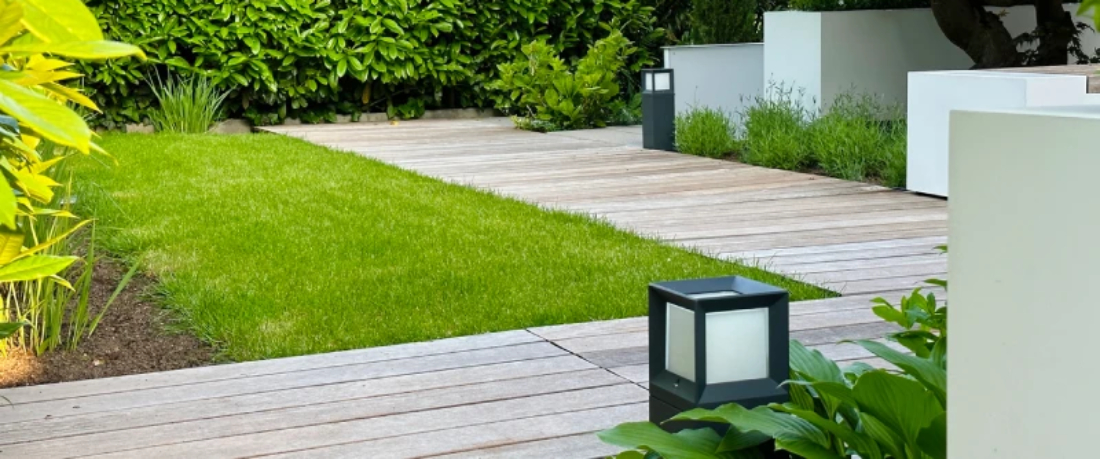
Garden pathways do much more than simply connect different areas of a backyard. A well-designed pathway can improve how the entire outdoor space looks, feels, and functions. Whether it’s guiding people through a garden, connecting outdoor zones, or creating better access around the property, pathways play an important role in landscape design. The right pathway design can also help make outdoor spaces feel more organised, welcoming, and visually balanced. For New Zealand homeowners, pathway design also needs to consider weather conditions, drainage, maintenance, and how the outdoor space is used every day.
Let’s explore practical garden pathway design ideas and how homeowners can create pathways that are both functional and visually appealing.
8 Practical Garden Pathway Design Ideas for New Zealand Homes
Garden pathways do much more than simply help people move through a backyard. A well-designed pathway can improve the flow of the landscape, connect outdoor areas together, and make the entire garden feel more organised and visually appealing.
Here are some simple and practical garden pathway ideas for New Zealand homeowners.
- Think About How the Pathway Will Be Used
Before choosing materials or designs, think about the main purpose of the pathway.
For example:
- Main access to the home
- Garden walking path
- Connection between outdoor zones
- Pool or entertainment access
- Utility side paths
High-traffic pathways usually need stronger and more durable materials compared to decorative garden paths. The way the pathway will be used should guide both the design and material choices.
- Create Natural Flow Through the Garden
A good pathway should feel natural within the landscape.
Straight pathways often work well for:
- Modern homes
- Direct access areas
- Smaller spaces
Curved pathways can help:
- Create softer garden designs
- Slow movement through the garden
- Make outdoor spaces feel larger and more relaxed
The pathway should guide people comfortably through the outdoor space instead of feeling awkward or disconnected.
- Choose Materials That Suit New Zealand Conditions
New Zealand weather can be wet and unpredictable, so pathway materials should be durable and safe in different conditions.
Popular pathway materials include:
- Concrete pavers
- Natural stone
- Gravel
- Timber boardwalks
- Exposed aggregate
- Stepping stones
Slip resistance is especially important in areas that receive heavy rain or stay damp during winter. Choosing weather-resistant materials helps reduce maintenance and improves long-term durability.
- Use Pathways to Connect Outdoor Zones
Pathways help connect different parts of the landscape together.
For example, pathways can connect:
- Decks and patios
- Lawns and gardens
- Outdoor dining areas
- Vegetable gardens
- Entertainment spaces
This helps outdoor areas feel more organised and easier to use. Without proper pathways, gardens can sometimes feel disconnected or difficult to navigate.
- Consider Drainage Properly
Drainage is one of the most important parts of pathway design.
Poor drainage can cause:
- Water pooling
- Slippery surfaces
- Erosion
- Damage to surrounding landscaping
Pathways should allow water to drain away properly during heavy rain. Permeable materials like gravel or spaced pavers can sometimes help improve drainage naturally. Planning drainage early helps avoid expensive problems later.
- Add Lighting Along Pathways
Outdoor lighting improves both safety and appearance.
Pathway lighting can:
- Help people move safely at night
- Highlight garden features
- Create atmosphere
- Improve visibility around entrances and outdoor spaces
Popular options include:
- Solar pathway lights
- Low-level garden lighting
- Step lighting
- Soft warm LED lighting
Well-placed lighting helps pathways feel more welcoming and functional after dark.
- Blend Pathways with Plants and Landscaping
Pathways should feel connected to the rest of the garden rather than looking separate from it. Adding plants around pathways can help soften hard surfaces and create a more natural appearance.
This may include:
- Groundcover plants
- Border planting
- Native grasses
- Small shrubs
- Garden edging
Combining greenery with pathways usually creates a more balanced and visually appealing outdoor space.
- Keep Maintenance in Mind
Some pathway materials require much more maintenance than others.
For example:
- Gravel may need regular topping up
- Timber may require resealing
- Weeds may grow between pavers
- Moss can appear in damp shaded areas
Before choosing materials, think about how much maintenance you are willing to manage long-term. Low-maintenance pathways are often more practical for busy households.
So, a well-designed pathway is not only about moving through the garden, it helps connect the entire outdoor space together in a more practical and visually balanced way.
Create Pathways That Improve Everyday Outdoor Living
The right pathway design can make gardens feel easier to navigate, more organised, and more enjoyable to use throughout the year. When pathways are planned properly, they also help improve drainage, safety, outdoor flow, and the overall appearance of the landscape. Good pathway design works best when it matches both the home and the way the outdoor space is used every day.
The Zones Landscaping NZ team helps homeowners create outdoor spaces with practical layouts, durable materials, and landscaping solutions designed to suit New Zealand conditions and family lifestyles.
Sometimes, simple features like pathways can make the biggest difference to how an outdoor space feels and functions.
Read Next


All Zones Landscaping franchises are independently owned and operated.
Processing...

Are you ready to discuss your ideas?
Please fill out your details in the online form provided and we’ll get back to you within 48 hours to arrange a free, no obligation consultation.