
Get a FREE digital
copy of Renovate Handbook!
Just sign up to our newsletter and we'll send it your way.
Get Renovate Handbook
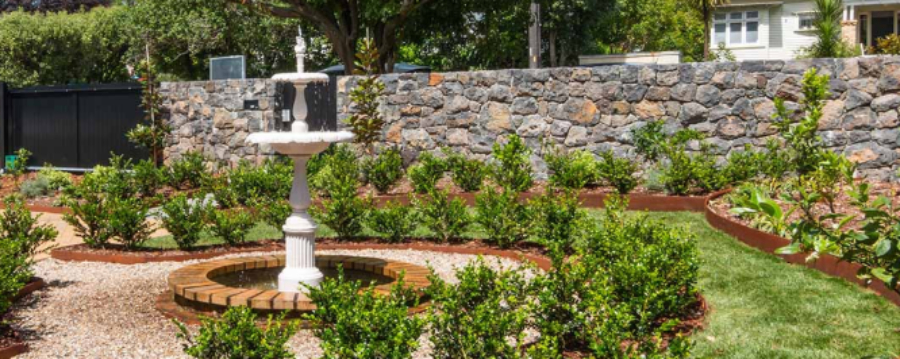
When designing your garden, it's easy to focus on plants, lawns, and outdoor features - but the small details often make the biggest difference. One of those details is garden edging.
Garden edging might seem simple, but it plays an important role in how your outdoor space looks and functions. It helps define different areas, keeps your garden neat, and makes maintenance much easier. The right edging can bring structure to your design, while the wrong choice can make the space feel unfinished or harder to manage.
In New Zealand, where gardens can grow quickly due to the climate, good edging is especially important. Here are 8 practical tips for choosing the right garden edging.
8 tips for choosing the right garden edging
1. Understand what garden edging does
Before choosing any material, it's important to understand the purpose of garden edging. Edging helps create a clear boundary between different parts of your garden, such as lawns, pathways, and planting areas. It keeps everything in place and stops your garden from looking messy over time. Without proper edging, grass can grow into garden beds, and soil or mulch can spread onto pathways - making maintenance harder and affecting the overall look of your space.
2. Choose materials based on durability
Different edging materials last for varying lengths of time, so it's important to consider durability. Concrete edging is very strong and can last for many years with little maintenance. Steel edging is also a good option because it's durable, flexible, and holds its shape well. Timber edging gives a natural look but may require regular maintenance and replacement over time, especially in moisture-prone areas. Choosing a material that suits your needs helps you avoid repairs and extra work later.
3. Match the edging style with your garden
Your edging should match the overall style of your garden so everything looks connected. Timber works well in natural or relaxed garden designs; steel suits modern and clean outdoor spaces; stone or brick works well in more formal or structured gardens. When your edging matches your design, your garden looks more organised and visually appealing.
4. Consider the shape of your garden
The layout of your garden also affects which edging material you should choose. If your garden has curves or irregular shapes, flexible materials like steel are a better choice because they bend easily and create smooth lines. If your garden has straight lines or a structured layout, materials like concrete, brick, or stone work well. Choosing the right material for your layout makes installation easier and improves the final look.
5. Think about long-term value
Some edging options may be cheaper upfront but require more maintenance over time. Simple trench edging is low-cost but needs regular upkeep; timber is affordable but may wear out faster; concrete and steel cost more initially but last longer. It's important to think about how much time and money you want to spend in the future - investing in durable materials can save effort and cost over the long term.
6. Use edging to improve garden structure
Garden edging isn't just for separating areas - it helps organise your entire outdoor space. You can use edging to define garden beds, create clear pathways, and separate different zones. It makes your garden easier to use and gives it a more structured and planned appearance.
7. Consider climate and soil conditions
New Zealand's weather and soil conditions can affect how different materials perform. Timber can be affected by moisture over time, while materials like steel and concrete are more resistant to weather changes. Choosing materials that suit your local environment helps ensure your edging lasts longer and performs well.
8. Think about installation and maintenance
Some edging options are easy to install, while others may require professional help. Simple solutions can be installed as a DIY project, but more permanent options like concrete or stone usually need expert installation. You should also think about how much maintenance each option requires - a low-maintenance solution can save you time and effort in the long run.
Frequently Asked Questions
What is the best garden edging material for New Zealand gardens?
The best garden edging material depends on your garden style, budget, and local conditions. Steel edging is popular for modern landscapes because it is durable and flexible, while concrete offers long-lasting performance with minimal maintenance. Timber creates a natural appearance but generally requires more upkeep in New Zealand's wetter climate.
Why is garden edging important?
Garden edging creates clear boundaries between lawns, garden beds, paths, and other landscape features. It helps prevent grass from spreading into planting areas, keeps mulch and soil contained, improves drainage management, and gives the garden a neat, finished appearance.
How long does garden edging last?
The lifespan varies depending on the material:
- Steel edging: 20+ years with minimal maintenance
- Concrete edging: 20–30+ years
- Stone or brick edging: Often several decades
- Treated timber edging: Typically 10–15 years, depending on moisture exposure and maintenance
Choosing quality materials and installing them correctly will maximise their lifespan.
Can I install garden edging myself?
Some garden edging products are suitable for DIY installation, particularly flexible plastic or lightweight metal edging. However, permanent options such as concrete, brick, or natural stone generally require professional installation to ensure correct alignment, drainage, and long-term durability.
What garden edging works best for curved gardens?
Flexible materials such as steel edging are ideal for curved garden beds because they bend smoothly without creating sharp angles. For straight lines or formal gardens, concrete, brick, and stone edging often provide a cleaner, more structured finish.
Does garden edging reduce maintenance?
Yes. Properly installed edging reduces ongoing garden maintenance by helping to:
- Keep lawns from invading garden beds
- Contain mulch and decorative stone
- Create easier mowing edges
- Reduce the need for frequent trimming
- Keep pathways cleaner
How do I choose the right garden edging for my landscape?
Consider several factors before choosing edging:
- Your garden's overall design style
- Local climate and soil conditions
- Desired maintenance level
- Budget
- Whether your garden has straight or curved borders
- The longevity you expect from the materials
A landscaping professional can help recommend the most suitable option for your property.
Should garden edging be installed before or after planting?
Garden edging is usually best installed before final planting and mulching. Installing edging first creates clearly defined garden beds, helps establish accurate planting areas, and produces a cleaner finished result.
Create a clean and well-defined outdoor space
Choosing the right garden edging isn't just about appearance - it's about creating structure, improving functionality, and making your garden easier to maintain over time. When the right edging is in place, your entire outdoor space feels more organised and complete.
If you want expert guidance, the Zones Landscaping team in New Zealand can help you plan and install the right edging solutions for a well-designed landscape.
Ready to improve your garden's structure?Talk to Zones Landscaping NZ →
Related reading:
→ Choosing the Right Hardscaping Materials for NZ Gardens
→ Front Yard Landscaping Ideas to Boost Street Appeal
→ Backyard Design Ideas for Entertaining
Read Next


All Zones Landscaping franchises are independently owned and operated.
Processing...

Are you ready to discuss your ideas?
Please fill out your details in the online form provided and we’ll get back to you within 48 hours to arrange a free, no obligation consultation.