
Get a FREE digital
copy of Renovate Handbook!
Just sign up to our newsletter and we'll send it your way.
Get Renovate Handbook
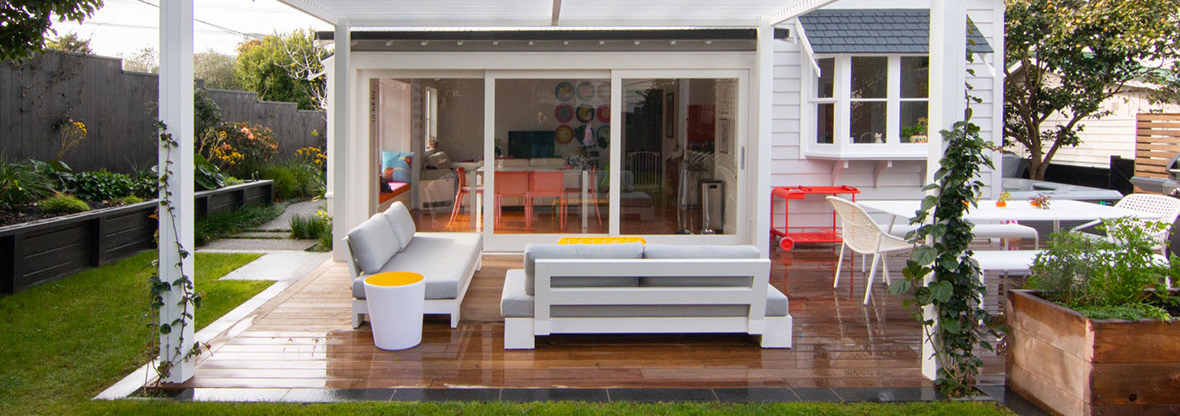
Do you want your indoor and outdoor spaces to feel like one connected living area? Many New Zealand homeowners are looking for ways to make better use of their outdoor spaces. A well-designed indoor-outdoor flow can help your home feel larger, improve functionality, and create a more enjoyable space for relaxing, entertaining, and everyday living. The key is to create a natural connection between the inside and outside of the home so that moving between the two feels easy and seamless.
Let's explore practical ways to create a cohesive indoor-outdoor flow and how thoughtful landscaping and design choices can help bring your home and garden together.
How to Create a Cohesive Indoor-Outdoor Flow
Indoor-outdoor flow is about making your home and garden feel connected. The aim is to make it easy to move from inside your home to your deck, patio, lawn, or outdoor living area. Here are ten ways to achieve it.
1. Connect Outdoor Areas to Main Living Spaces
The best outdoor areas are easy to reach from the rooms you use most. For example, a deck or patio beside the kitchen, dining room, or living area can make outdoor living much easier. It is especially helpful when entertaining, serving food, or spending time with family outside. The easier the access is, the more often the outdoor space will be used.
2. Use Large Doors and Openings
Large doors help remove the barrier between inside and outside. Sliding doors, stacking doors, French doors, or wide glass openings can make the transition feel smoother. Even when the doors are closed, glass helps bring in natural light and outdoor views. It makes the garden feel like part of the home.
3. Use Similar Colours and Materials
Indoor and outdoor areas feel more connected when the design looks consistent. For example, timber flooring inside can connect with timber decking outside, similar colours can be used in both areas, and matching textures can help create a more seamless look. The materials do not need to be exactly the same. They just need to feel connected.
4. Create a Useful Outdoor Living Area
Indoor-outdoor flow works best when the outdoor area has a clear purpose. Think about how you want to use the space: outdoor dining, relaxing, entertaining guests, cooking outside, or spending time with family. Comfortable seating, dining areas, lighting, and outdoor cooking features can make the outdoor space feel like another room of the home.
5. Add Shelter for Better Use
New Zealand weather can change quickly. Adding shelter can make outdoor spaces more comfortable throughout the year. This may include pergolas, louvre roofs, covered patios, awnings, or shade structures. Shelter also helps create a softer transition between the house and garden, making the outdoor area feel more usable in sun, wind, or light rain.
6. Think About Sun, Wind, and Privacy
A good outdoor area should feel comfortable, not exposed. Before designing the space, think about where the sun comes from, where the wind enters, and whether neighbours can see into the area. You can improve comfort with screening plants, fences, pergolas, shade structures, or outdoor blinds.
7. Create Visual Connection
Indoor-outdoor flow is not only about walking outside easily. It is also about what you can see from inside the home. Large windows, glass doors, garden features, and attractive planting can help draw the eye outside. Even when you are indoors, the garden can become part of the living space visually.
8. Use Pathways to Connect Outdoor Zones
Pathways help guide people through the outdoor area. They can connect the deck, patio, lawn, garden beds, and seating areas. A good pathway makes the garden easier to move through and helps the whole landscape feel organised.
9. Avoid Overcrowding the Outdoor Area
Too much furniture or too many features can make a deck or patio feel cramped. It is important to leave enough space for people to move comfortably between inside and outside. A simple layout often works better than trying to fit too much into one area.
10. Treat the Outdoor Space Like Another Room
A useful outdoor area should be planned like an indoor room, with a clear purpose, comfortable seating, lighting, shelter, easy access, and a layout that suits daily use. When the outdoor area is designed this way, it feels like a true extension of the home.
Frequently Asked Questions
What's the easiest way to improve indoor-outdoor flow without major renovation? Matching colours and materials between your existing indoor flooring and an outdoor deck or patio, adding comfortable outdoor furniture, and improving pathways can make a real difference without structural changes.
Do sliding or bifold doors work better for indoor-outdoor flow? Bifold doors open the space completely for the strongest connection, while sliding doors offer a sleeker look and better wind protection when partially open. The right choice depends on your site and how sheltered the space is.
How do I stop my deck feeling exposed? Combine screening plants, a pergola or shade structure, and thoughtful positioning relative to neighbouring windows and prevailing wind. Layered planting is often more effective than a single solid barrier.
Does indoor-outdoor flow add value to a NZ home? Yes. Buyers consistently respond well to homes where the indoor living areas connect naturally to a usable outdoor space, since it effectively adds living area without the cost of an extension.
Can a small garden still achieve good indoor-outdoor flow? Absolutely. Even a compact deck or courtyard connected directly to the main living area, with consistent materials and a simple, uncluttered layout, creates the same sense of connection as a larger space.
Bring Your Home and Garden Together
Creating a cohesive indoor-outdoor flow is about more than adding a deck or patio. It's about designing your home and landscape to work together as one connected space.
When access, materials, shelter, and visual connection are all considered together, the whole property feels larger, more usable, and more enjoyable throughout the year.
The Zones Landscaping NZ team can design an outdoor space that connects naturally with your home and lifestyle. Get in touch for a free consultation with your local Landscaping Consultant.
Related Articles and Projects
Read Next
.jpg)

.jpg)
All Zones Landscaping franchises are independently owned and operated.
Processing...

Are you ready to discuss your ideas?
Please fill out your details in the online form provided and we’ll get back to you within 48 hours to arrange a free, no obligation consultation.