
Get a FREE digital
copy of Renovate Handbook!
Just sign up to our newsletter and we'll send it your way.
Get Renovate Handbook
.jpeg)
Do you want a garden that looks modern but doesn't need constant watering? Do you want an outdoor space that is easier to maintain and more efficient year-round? If your answer is "Yes", a low-water garden design could be the perfect solution. Many New Zealand homeowners are now choosing gardens that use less water while still looking attractive and functional. With the right plants, layout, and landscaping choices, you can create an outdoor space that remains visually appealing without excessive water use or constant maintenance. The key is to design the garden strategically so it works well with the local climate and your lifestyle.
Let's explore practical low-water garden design ideas for modern homes and how New Zealand homeowners can create outdoor spaces that are both sustainable and stylish.
7 Practical Low-Water Garden Design Ideas for Modern Homes
Low-water gardens are becoming more popular in New Zealand because they are easier to maintain, more sustainable, and better suited to modern lifestyles. Here are some simple and detailed ways to design a low-water garden for your home.
1. Choose Plants That Naturally Use Less Water
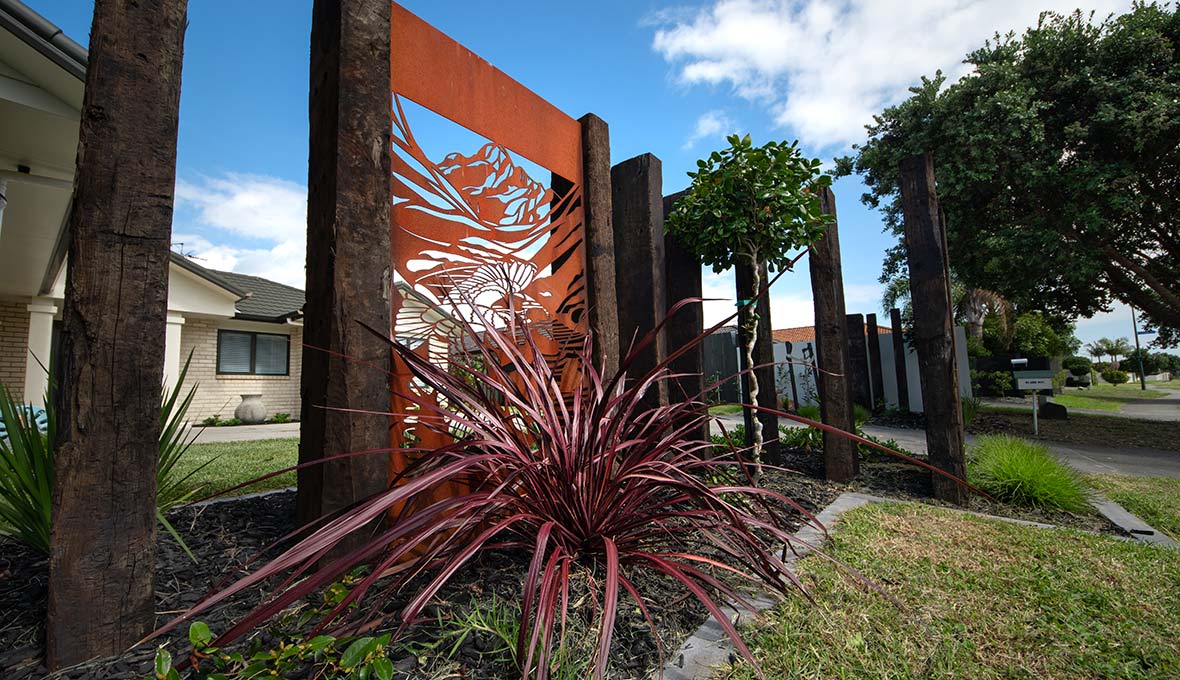
The most important part of a low-water garden is choosing the right plants. Some plants naturally need less water and are better suited to New Zealand conditions. Native plants are often a good option because they are already adapted to the local climate and can survive with less maintenance once established. Plants like flax, mānuka, astelia, and kōwhai are popular because they are hardy, attractive, and suitable for modern garden designs. You can also include drought-tolerant plants like lavender or ornamental grasses to add colour and texture without increasing water use. The goal is to choose plants that can stay healthy without needing constant watering.
2. Reduce Large Lawn Areas
Traditional lawns usually require the most water and maintenance in a garden. Many modern low-water gardens reduce the size of lawn areas and replace them with gravel, garden beds, paving, decking, and ground cover plants. This reduces water use and lowers maintenance, such as mowing and edging. You don't have to remove grass completely. Even reducing the lawn to a smaller and more practical area can make a big difference.
3. Group Plants with Similar Water Needs Together
A smart way to improve water efficiency is by grouping plants that need similar amounts of water. For example, drought-tolerant plants can be placed together in sunny areas, while plants that need slightly more moisture can be grouped in shaded areas. It makes watering easier and prevents wasting water on plants that don't need it. It also helps keep plants healthier because each area gets the right amount of moisture.
4. Use Mulch to Hold Moisture in the Soil
Mulch is one of the easiest ways to reduce water loss in your garden. Adding mulch around plants helps keep soil moist for longer, reduce evaporation, stop weeds from growing, and protect roots from heat. Mulch also improves the appearance of garden beds and makes the space look cleaner and more finished. This simple step can reduce how often you need to water your garden.
5. Add More Hard Landscaping Features
Modern low-water gardens often include more hard landscaping instead of large planted areas. This can include stone pathways, gravel sections, timber decking, and paved outdoor spaces. These features reduce the amount of watering needed while also creating a clean and modern garden design. Hard landscaping can also improve how you use the space by creating clear seating, dining, or walking areas.
6. Use Smarter Watering Methods
Low-water gardens still need watering sometimes, especially when plants are new. The difference is that watering should be more efficient. Drip irrigation systems are often a better option because they deliver water directly to the roots instead of spraying large areas. Watering early in the morning also helps reduce evaporation during warmer parts of the day. Some homeowners also install rainwater tanks to collect water naturally and reduce reliance on mains water. The goal is to use water carefully instead of wasting it.
7. Create Texture and Layers Instead of Relying on Grass
Many modern gardens create visual interest through layers and textures rather than large green lawns. You can combine taller shrubs, medium-height plants, low ground covers, and decorative grasses. This layered design makes the garden feel fuller and more natural while still using less water. It also adds depth and creates a more modern landscape style.
Frequently Asked Questions
1. What are the best low-water plants for New Zealand gardens? NZ natives like harakeke (flax), mānuka, astelia, kōwhai, and hebes are excellent choices because they're adapted to local conditions. Drought-tolerant exotics like lavender and ornamental grasses also work well once established.
2. Is xeriscaping practical in New Zealand? Yes, particularly in drier regions and for homeowners wanting minimal upkeep. Xeriscaping (landscaping with minimal water use) combines drought-resistant planting with gravel, paving, and mulch, and adapts well to NZ conditions.
3. How long until a low-water garden becomes truly low-maintenance? Most plants need regular watering for their first one to two growing seasons while roots establish. After that, a well-designed low-water garden needs only occasional deep watering in dry spells.
4. Does a low-water garden mean no lawn at all? Not necessarily. Many designs keep a smaller, practical lawn area and replace the rest with planting, gravel, or hard landscaping, cutting water use significantly without losing usable green space.
5. Will a low-water garden add value to my home? Generally yes. Low-maintenance, sustainable gardens appeal strongly to busy buyers, and quality hard landscaping like decking and paving adds usable living space.
Create a Smarter and More Sustainable Outdoor Space
A well-designed low-water garden can completely change how your outdoor space looks and functions. With the right combination of plants, materials, and layout, you can create a garden that stays attractive year-round while requiring far less water and maintenance.
The key is to plan the design around your climate, your section, and how you actually use the space.
If you want expert guidance, the Zones Landscaping team in New Zealand can design a low-water garden tailored to your site and lifestyle, from plant selection through to irrigation. Get in touch for a free consultation with your local Landscaping Consultant.
Related Articles and Projects
Read Next


All Zones Landscaping franchises are independently owned and operated.
Processing...

Are you ready to discuss your ideas?
Please fill out your details in the online form provided and we’ll get back to you within 48 hours to arrange a free, no obligation consultation.