
Get a FREE digital
copy of Renovate Handbook!
Just sign up to our newsletter and we'll send it your way.
Get Renovate Handbook
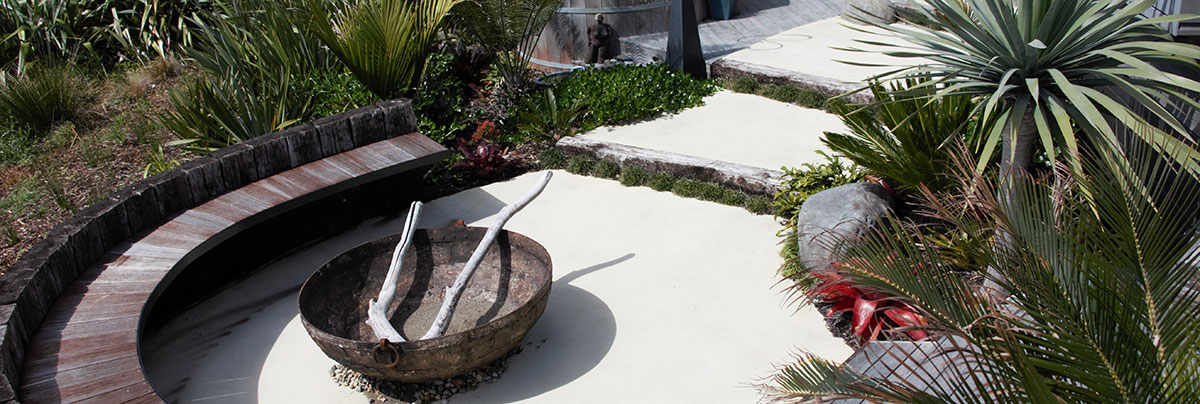
Living by the coast offers beautiful views and easy access to the beach, but it can also create unique challenges for your garden. Coastal properties in New Zealand are often exposed to strong winds, salty air, sandy soils, and changing weather conditions, and because of this, a garden design that works well inland may not perform as successfully near the coast. The key is to create an outdoor space that not only looks attractive but can also handle the local environment with less maintenance and fewer long-term problems.
Let's explore important landscape design considerations for coastal properties and how New Zealand homeowners can create gardens that are both practical and enjoyable year-round.
Landscape Design Considerations for Coastal Properties
Living near the coast has many benefits, but it can also be tough on your garden. The good news is that with the right planning, you can create a beautiful outdoor space that suits the coastal environment and remains attractive year-round.
Choose Plants That Suit Coastal Conditions
Not all plants can handle life near the ocean, since salt carried by the wind can damage leaves and slow plant growth, which is why it's important to choose plants that naturally perform well in coastal areas. Many New Zealand native plants are well suited to these conditions because they're already adapted to local environments, and popular options include pōhutukawa, flax, griselinia, taupata, coprosma, and native coastal grasses, all of which generally require less maintenance and are more likely to thrive in coastal gardens.
Protect Your Garden From Strong Winds
Wind is one of the biggest challenges for coastal properties, since strong winds can damage plants, dry out soil, make outdoor areas uncomfortable, and slow plant growth. Adding protection to the garden can make a huge difference, and hedges, trees, shrubs, fencing, and privacy screens can all help create shelter, reducing wind exposure so plants grow better and outdoor living areas become more enjoyable.
Improve Soil Quality
Many coastal properties have sandy soil, and while sandy soil drains water quickly, it often struggles to retain moisture and the nutrients plants need. Improving the soil can help create healthier gardens, and adding compost, mixing in organic matter, applying mulch, and using regular soil improvement treatments all help plants establish stronger roots and grow more successfully.
Keep Maintenance Simple
A coastal garden should be designed to work with the environment rather than fight against it, so choosing low-maintenance plants and materials can save time and effort in the future. Native plants, gravel pathways, mulched garden beds, hardy shrubs, and durable outdoor materials are good options, since a simple garden that suits the local conditions is often easier and cheaper to maintain.
Use Plants to Help Control Erosion
Some coastal properties experience erosion, especially on slopes or areas exposed to wind, and plants can help hold the soil together and reduce movement. Native grasses, flax, groundcovers, and coastal shrubs are useful choices, since their root systems help stabilise the soil while adding colour and texture to the landscape.
Create Comfortable Outdoor Living Areas
One of the biggest advantages of living near the coast is being able to enjoy the outdoors, though outdoor spaces need protection from wind and weather to be comfortable. Decks, patios, pergolas, covered seating areas, and outdoor dining spaces are all worth considering, and positioning these areas carefully can help maximise views while creating a more enjoyable space for family and guests.
Plan for Watering Needs
Although coastal homes are close to the ocean, gardens can still become very dry, since wind and sandy soils often cause moisture to disappear quickly. Using mulch, installing efficient irrigation systems, choosing drought-tolerant plants, and watering plants deeply when needed can all help keep the garden healthy while reducing water usage.
Choose Durable Materials
Coastal conditions can be hard on outdoor materials, since salt, wind, and moisture may cause some materials to wear out faster than expected. Natural stone, timber, gravel, pebbles, and quality paving products are commonly used in coastal landscapes, and choosing durable materials can help reduce future maintenance and replacement costs.
Use Layered Planting
Layered planting is a popular technique in coastal gardens. Instead of using one row of plants, different heights are combined to create natural protection and visual interest, with taller trees at the back, medium-sized shrubs in the middle, and smaller plants and groundcovers at the front. This approach helps create effective wind protection while making the garden look fuller and more natural.
So, designing a coastal garden isn't about fighting the local conditions. It's about choosing plants, materials, and layouts that work with the wind, salt, and sandy soil to create a landscape that stays attractive and manageable year after year.
Frequently Asked Questions
1. What are the best New Zealand native plants for coastal gardens? Pōhutukawa, flax, griselinia, taupata, and coprosma are all well suited to coastal conditions, since they're already adapted to salt exposure, wind, and sandy soils common near the coast.
2. How do I improve sandy soil for coastal planting? Adding compost and organic matter, along with a good layer of mulch, helps sandy soil retain moisture and nutrients far better, giving new plants a much stronger start.
3. Do coastal gardens need more watering than inland gardens? Often yes, since wind and sandy, free-draining soil both speed up moisture loss. Mulching and choosing drought-tolerant plants can significantly reduce how much extra watering is needed.
4. Can hedges really protect a garden from strong coastal winds? Yes, well-placed hedges and layered planting slow wind speed effectively, protecting more delicate plants behind them and making outdoor living areas considerably more comfortable.
5. What outdoor materials hold up best in salty coastal air? Natural stone, treated timber, and quality paving products tend to perform well, while some metals and lower-grade materials can corrode more quickly in salt-heavy environments.
Create a Garden That Thrives by the Coast
Designing a coastal garden isn't about fighting the local conditions. It's about choosing plants, materials, and layouts that work with the wind, salt, and sandy soil to create a landscape that stays attractive and manageable year after year. The Zones Landscaping NZ team has the coastal design experience to help you get that balance right. Get in touch for a free consultation with your local Landscaping Consultant.
Related Articles and Projects
Read Next


All Zones Landscaping franchises are independently owned and operated.
Processing...

Are you ready to discuss your ideas?
Please fill out your details in the online form provided and we’ll get back to you within 48 hours to arrange a free, no obligation consultation.